

Can Swimming Make Kids Smarter? The Surprising Cognitive Benefits of Swim Lessons
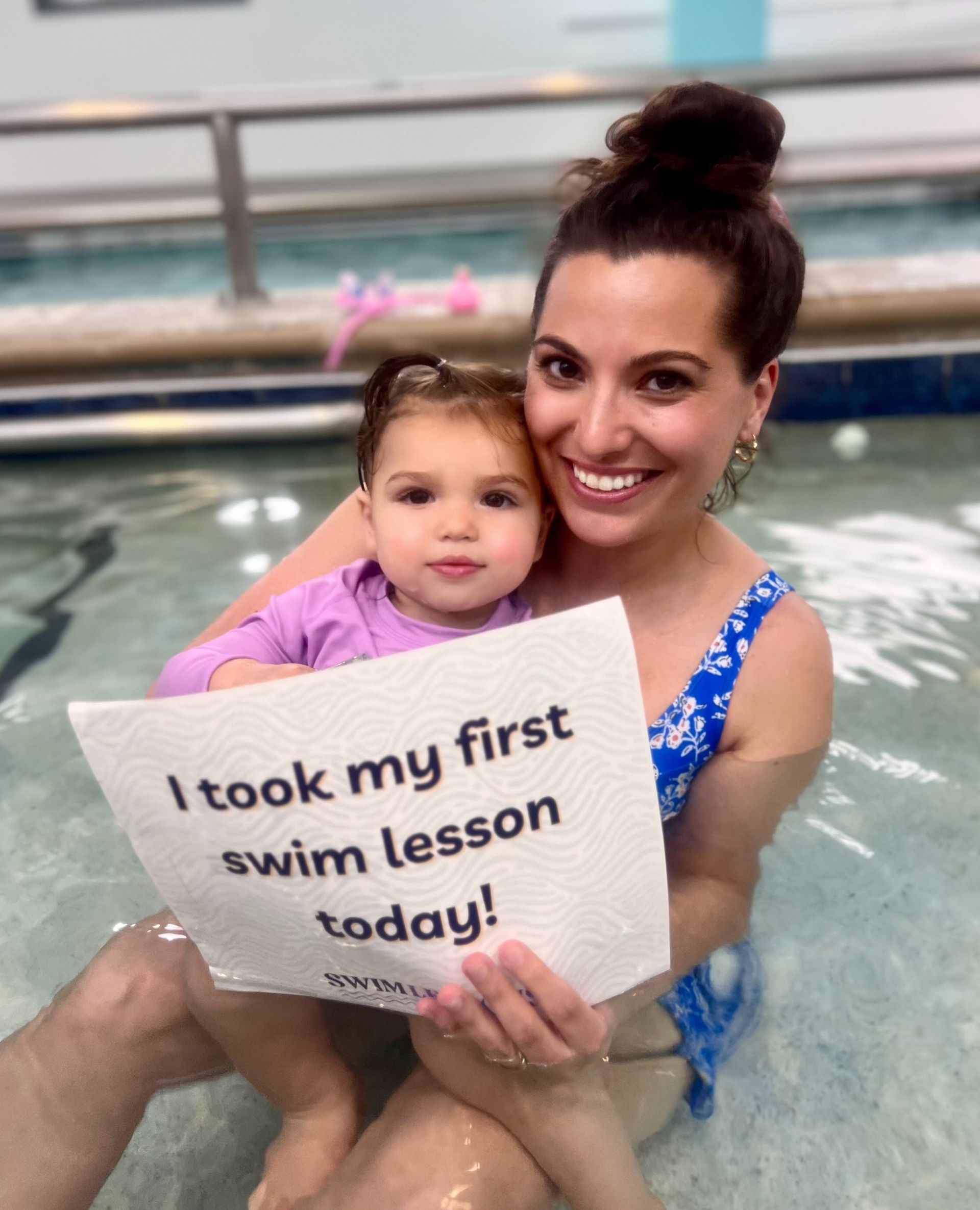
When most parents sign their children up for swim lessons, they're usually thinking about water safety, confidence, and physical activity. Those are all excellent reasons to learn to swim. But did you know that swimming may also support your child's intellectual development?
Research suggests that the cognitive benefits of swimming for children extend far beyond learning strokes and staying safe in the water. From improved focus and language development to enhanced problem-solving abilities and brain function, swimming offers unique advantages that can support a child's growth both in and out of the classroom (United States Swim School Association, n.d.; Yu et al., 2024).
In fact, experts studying swimming and child development have found that the combination of movement, learning, and sensory experiences creates powerful opportunities for cognitive growth.
How Swimming Helps Brain Development in Children
One of the reasons researchers are so interested in swimming is that it engages nearly every part of a child's body and brain simultaneously.
Unlike many activities that focus on a single skill, swimming requires children to coordinate their arms, legs, breathing, balance, and body position all at once. This level of coordination challenges the brain to process multiple streams of information simultaneously and encourages communication between different areas of the brain.
According to a 2024 study published in Frontiers in Public Health, swimming activities may promote neurological development and support intellectual growth in young children (Yu et al., 2024).
When children are learning new swimming skills, they're not only strengthening their muscles, but they're also strengthening neural pathways that support learning and development.
The Cognitive Benefits of Swimming for Children Start Early
The cognitive benefits of swimming for children can begin long before they enter elementary school. The United States Swim School Association notes that swim lessons expose children to new vocabulary, concepts, directions, colors, and descriptive language. As children learn to follow instructions and connect words with actions, they are simultaneously developing communication and comprehension skills (United States Swim School Association, n.d.).
For example, children regularly hear and respond to words such as "kick," "float," "reach," "glide," and "roll over." Associating these instructions with physical actions helps reinforce language acquisition and understanding.
According to the United States Swim School Association, these early cognitive experiences help build foundational skills that support future reading, writing, and arithmetic development (United States Swim School Association, n.d.).
How Swimming Improves Focus and Learning
Many parents notice that swimming improves focus and learning, even if they don't immediately realize why. Every swim lesson requires children to listen carefully, remember instructions, apply feedback, and make adjustments. Whether they're learning to float independently or mastering a new stroke, children must remain engaged and attentive throughout the learning process.
Swimming also teaches patience and persistence. When a skill doesn't come easily, children learn to keep trying until they succeed. These experiences help develop concentration, self-discipline, and resilience; qualities that are valuable both in school and throughout life.
Because swimming combines physical activity with structured learning, it naturally encourages children to practice the same focus and attention skills they use in academic settings.
Swimming Builds Problem-Solving Skills and Confidence
Another important aspect of swimming and child development is the way swim lessons encourage problem-solving. Every new skill presents a challenge. Children learn how to adjust their body position, control their breathing, and coordinate their movements more effectively. Through practice and repetition, they discover solutions and gain confidence in their abilities.
As children overcome challenges in the pool, they develop a growth mindset. They begin to understand that learning takes effort and that mistakes are simply part of the process.
This confidence often carries over into other areas of life, helping children approach new experiences with greater independence and determination.
Research Supports the Benefits of Swim Lessons for Kids
The benefits of swim lessons for kids aren't just observations from parents and instructors; they're increasingly supported by scientific research.
In a study examining preschool children who participated in an eight-week swimming program, researchers found that children who participated in parent-accompanied swimming demonstrated significantly higher intelligence scores than children who participated in traditional physical exercise programs (Yu et al., 2024).
The researchers concluded that parent-accompanied swimming may be particularly beneficial for supporting both physical fitness and cognitive development during the preschool years. While no single activity can guarantee academic success, studies like this suggest that swimming offers unique developmental benefits that extend beyond general exercise.
More Than Water Safety: The Lasting Benefits of Swim Lessons for Kids
At Swim Lessons with Mary, our primary goal is always water safety. Every child deserves the skills and confidence needed to stay safer around water. But the benefits of swim lessons for kids go far beyond safety alone.
Swimming helps children develop focus, communication skills, problem-solving abilities, confidence, independence, and resilience. It supports healthy brain development while providing opportunities for learning through movement and play.
The connection between swimming and child development continues to be an exciting area of research, and the findings are encouraging for parents looking for activities that support their child's overall growth.
So the next time your child heads to swim lessons, remember: they're doing much more than learning how to swim. They're building skills that may help them succeed in school, in relationships, and throughout life.
References
United States Swim School Association. (n.d.). Benefits for Young Children: Learning to Swim Goes Beyond Swim Skills. Retrieved from https://usswimschools.org/benefits-for-young-children-learning-to-swim-goes-beyond-swim-skills/
Yu, Y., Xia, L., Yan, H., & Lu, Y. (2024). Effects of 8 Weeks Parent-Accompanied Swimming on Physical Capacity and Intelligence in Preschool Children. Frontiers in Public Health, 12. Retrieved from https://pmc.ncbi.nlm.nih.gov/articles/PMC11176541/
Swim It Right. (n.d.). Swimming Makes You Smarter. Retrieved from https://swimitright.com/blog/swimming-makes-you-smarter