
The SLWM blog
Useful info and resources
on swim lessons
Every child deserves the opportunity to feel safe, confident, and capable in the water. But for some swimmers, traditional swim lessons don’t quite work. A child may struggle with sensory input, communication, motor skills, anxiety, attention, or other developmental or physical differences that can make a typical swim lesson feel overwhelming. That’s where adaptive swim lessons come in. At Swim Lessons with Mary, our adaptive program is designed for swimmers with physical, developmental, sensory, or cognitive differences including autism, Down syndrome, ADHD, and more. Our goal isn’t simply to teach a child how to swim. It’s to understand how that individual child learns best and create an environment where they can build skills, confidence, and independence at their own pace. Why Water Safety Is Especially Important for Children with Autism For families of children with autism, water safety deserves special attention. Children with autism can face an elevated risk of drowning for a number of reasons, including wandering or elopement, sensory-seeking behaviors, impulsivity, communication differences, and difficulty recognizing danger. In fact, research has consistently shown that children with autism face a significantly higher drowning risk than their peers. Our previous blog, The Elevated Risk: Why Water Safety is So Important for Children with Autism , takes a deeper look at this risk, including research showing that children with autism have been reported to be dramatically more vulnerable to fatal drowning and that wandering is a major contributing factor. More recent research continues to reinforce the concern. A 2026 study examining U.S. emergency department data found that children with autism had more than twice the odds of an unintentional drowning-related emergency department visit compared with children without autism. The researchers specifically pointed to increased supervision, environmental safety, and adaptive swimming lessons as important targeted interventions. That connection is incredibly important. If a swimmer faces unique challenges around water, they may also need a unique approach to learning water safety skills. Why Adaptive Lessons Matter For some children, simply placing them into a traditional swim lesson and expecting them to adapt to the environment can create unnecessary frustration. Adaptive lessons flip that approach around. We adapt the lesson to the swimmer. Our adaptive lessons are completely one-on-one, allowing instructors to adjust their teaching approach based on the swimmer’s individual needs, abilities, comfort level, learning style, and goals. There’s no pressure to keep up with a group or follow a one-size-fits-all curriculum. An instructor may adjust: How instructions are communicated The pace of the lesson The amount of repetition Equipment and teaching techniques Sensory input How new skills are introduced Transitions and routines The amount of physical or verbal support provided Sometimes progress means learning a new swimming skill. Other times, progress might mean becoming comfortable entering the water, tolerating a new sensation, learning to float, practicing breath control, or simply building enough trust to participate in the lesson. All of those things are progress. It's About More Than Learning to Swim Our adaptive program is about building water competency, safety, confidence, and independence . The water itself can also provide unique benefits for swimmers with sensory, developmental, or motor challenges. The natural resistance and support of the water can help with body awareness and regulation, while learning to move independently through the water can give a swimmer a powerful sense of accomplishment. And that confidence can extend beyond the pool. When a child realizes, “I can do this,” that feeling of success can become incredibly meaningful. Meet the Swim Whisperers® Method We’re especially proud that members of the Swim Lessons with Mary team have completed training through Swim Angelfish’s Swim Whisperers® Certification Program . The Swim Whisperers® approach is designed to help instructors identify the individual “roadblocks” that may be preventing a swimmer from progressing and develop strategies to work through them. That means our instructors aren’t simply asking: “Why can’t this swimmer do this skill?” They’re learning to ask: “What is getting in the way, and how can we change our approach to help this swimmer succeed?” That shift can make all the difference. Our certified instructors are trained in sensory, motor, and behavioral strategies developed by pediatric specialists, giving them additional tools to support swimmers who learn differently or face unique challenges in the water. What Can Parents Expect? If you’re considering adaptive lessons for your child, you may be wondering what the experience will actually look like. The honest answer is: it depends on your swimmer. There isn’t one “right” way for an adaptive lesson to look. Your child’s instructor will take their individual abilities, challenges, comfort level, learning style, and goals into consideration and adjust the lesson accordingly. Parents and caregivers are also an important part of the process. We believe you should feel informed, supported, and included as your child works toward their goals. And your child does not need to already be a strong swimmer, or even comfortable in the water, to benefit from adaptive lessons. If your child has unique needs or hasn’t thrived in traditional swim lessons, adaptive lessons may be worth exploring. Our team is always happy to talk through your swimmer’s needs and help you determine whether this program is the right fit. Consistency Can Make a Huge Difference For many adaptive swimmers, routine and predictability can be especially helpful. That’s why our adaptive 1-on-1 lessons are currently offered through our Recurring Lesson program , allowing families to secure a consistent day and time each week with the same instructor. This consistency can help swimmers know what to expect while giving instructors the opportunity to build on progress from one lesson to the next. Every swimmer progresses differently. Some skills may come quickly. Others may take weeks or months of repetition. Our job isn’t to rush the process. Our job is to meet swimmers where they are, help them take the next step, and celebrate every victory along the way. Adaptive Lessons Are One Layer of Water Safety It’s important to remember that swim lessons are one layer of protection, not a replacement for active supervision, barriers, alarms, and other water safety measures. This is especially important for children who may wander or have difficulty recognizing the danger associated with water. The American Academy of Pediatrics continues to emphasize that drowning prevention requires multiple layers of protection, including close supervision, barriers that prevent unsupervised access, swimming competency, and other safety measures. For families of children with autism, that means combining water safety education with a comprehensive safety plan at home and in the community. Adaptive swim lessons can be an important part of that plan. Every Swimmer Deserves a Chance to Thrive Adaptive swim lessons are about so much more than making swimming “easier.” They’re about creating an environment where a child can learn without being defined by their challenges. They’re about finding the communication style that works. They’re about building trust. They’re about celebrating small victories. They’re about developing lifesaving water safety skills. And they’re about helping a swimmer discover: “I can do this.” At Swim Lessons with Mary, we’re proud to offer adaptive swim instruction that puts the individual swimmer first. Because there is no one-size-fits-all swimmer, and there shouldn’t be a one-size-fits-all lesson. Ready to Explore Adaptive Swim Lessons? If you’re wondering whether adaptive lessons may be a good fit for your child, we’d love to talk with you. Tell us a little about your swimmer, their experience in the water, any challenges they may be experiencing, and what goals you have for them. From there, we can help you determine the best path forward. Because every swimmer deserves the opportunity to become safer, more confident, and more independent in the water. Learn More About Our Adaptive Swim Lessons →
When it comes to water safety, there is no shortage of advice online, but unfortunately, not all of it is accurate. From viral social media posts to well-meaning advice from friends and family, it can be difficult to know what's fact and what's fiction. At Swim Lessons with Mary, one of our goals is to help families make informed decisions that keep their children safe around water. Let's separate fact from fiction by tackling some of the most common water safety myths. Myth #1: "Dry drowning" is a common risk after swimming. The Truth: "Dry drowning" isn't actually a medical diagnosis. You may have seen alarming headlines warning parents that a child can suddenly "dry drown" hours or even days after leaving the pool. While these stories can be scary, medical professionals no longer use the terms dry drowning or secondary drowning. In very rare cases, a child who inhales water may experience breathing complications shortly afterward. However, these symptoms typically appear within a few hours, not days later, and they are uncommon. Know when to seek medical care if your child experiences: Difficulty breathing Persistent coughing that doesn't improve Chest pain Extreme fatigue or unusual sleepiness Vomiting after a water incident The best way to prevent water-related emergencies is active supervision and ensuring children learn proper water safety skills and breath control. Myth #2: If my child wears floaties, they're safe in the water. The Truth: Floaties are toys, not lifesaving devices. Inflatable arm floaties, puddle jumpers , and similar products can create a false sense of security. They can slip off, deflate, or place children in an unnatural vertical swimming position that doesn't encourage proper swimming skills. Instead, use: Coast Guard-approved life jackets when appropriate Constant, undistracted adult supervision Swim lessons to build real water safety skills The goal isn't for children to rely on flotation devices, it's to help them develop the confidence and skills to safely navigate the water. Myth #3: Lifeguards are watching my child, so I can relax. The Truth: Lifeguards watch everyone, not just your child. Even when lifeguards are present, parents remain their child's first layer of protection. Stay within arm's reach of young or inexperienced swimmers, avoid distractions like phones, and designate a "Water Watcher" whenever children are swimming. Nothing replaces attentive adult supervision. Myth #4: My child is too young for swim lessons. The Truth: It's never too early to build comfort and safety around water. Many parents worry their child is "too little" to benefit from swim lessons. The reality is that early exposure helps children become comfortable in the water while allowing them to begin developing important foundational skills. Lessons are always tailored to a child's age, developmental stage, and comfort level. Starting early often builds confidence that lasts for years to come. Myth #5: Once my child learns to swim, they're set for life. The Truth: Learning to swim greatly reduces the risk of drowning, but no one is ever "drown-proof." One of the best things you can do for your child is enroll them in quality swim lessons. Research has shown that formal swim lessons can significantly reduce the risk of drowning in young children. However, even experienced swimmers can become tired, panic, or find themselves in unexpected situations. That's why swim lessons are just one layer of water safety, not the only one. Swimming is also a lifelong skill that requires regular practice. As children grow, their abilities, confidence, and endurance continue to develop. Consistent lessons help swimmers: Strengthen their swimming technique Build endurance and confidence Learn new water safety and survival skills Become comfortable in a variety of aquatic environments The strongest swimmers are the ones who continue learning and practicing over time. Remember, effective water safety is built on multiple layers working together, including swim lessons, active adult supervision, pool barriers and fences, Coast Guard-approved life jackets when appropriate, and ongoing practice in the water. Myth #6: The water is shallow, so my child is safe. The Truth: Drowning can happen in just a few inches of water. Many parents associate drowning with deep pools or open water, but the reality is that young children can drown in as little as 1–2 inches of water . That's why water safety extends far beyond the swimming pool. Buckets, bathtubs, kiddie pools, fountains, and even coolers filled with melted ice can all pose a drowning risk to small children. Whether your child is playing in the backyard, taking a bath, or splashing in the shallow end of a pool, the same rule always applies: constant, attentive adult supervision. If there is water, there is potential risk. Empty containers after use, drain kiddie pools when playtime is over, secure access to pools with proper fencing and gates, and never leave young children unattended around any body of water, no matter how shallow it may seem. Myth #7: Drowning is loud and obvious. The Truth: Drowning is often silent. Unlike what we see in movies, most drowning incidents happen quickly and quietly. A child who is struggling may be unable to call for help because they're focused on trying to breathe. There may be little to no splashing, yelling, or waving for help. In many cases, a drowning child appears to be simply bobbing in the water or trying to keep their mouth above the surface. That's why it's so important to know what to look for and to remain actively engaged whenever children are in or near the water. If you ever notice a child who is unusually quiet in the water, check on them immediately. It's always better to interrupt play than to assume everything is okay. Staying close, minimizing distractions, and keeping your eyes on the water can make all the difference. The Bottom Line Water safety isn't based on one skill, one device, or one precaution, it's built from multiple layers of protection working together. Swim lessons, active supervision, proper safety equipment, secure pool barriers, and ongoing practice all play an important role in helping keep children safer around water. While no single strategy can eliminate risk entirely, combining these layers dramatically improves your child's safety and confidence in and around the water. At Swim Lessons with Mary, we're passionate about helping swimmers develop lifelong skills while empowering families with accurate, evidence-based water safety information. The more we replace myths with facts, the better equipped we all are to create safer experiences around the water for our children.
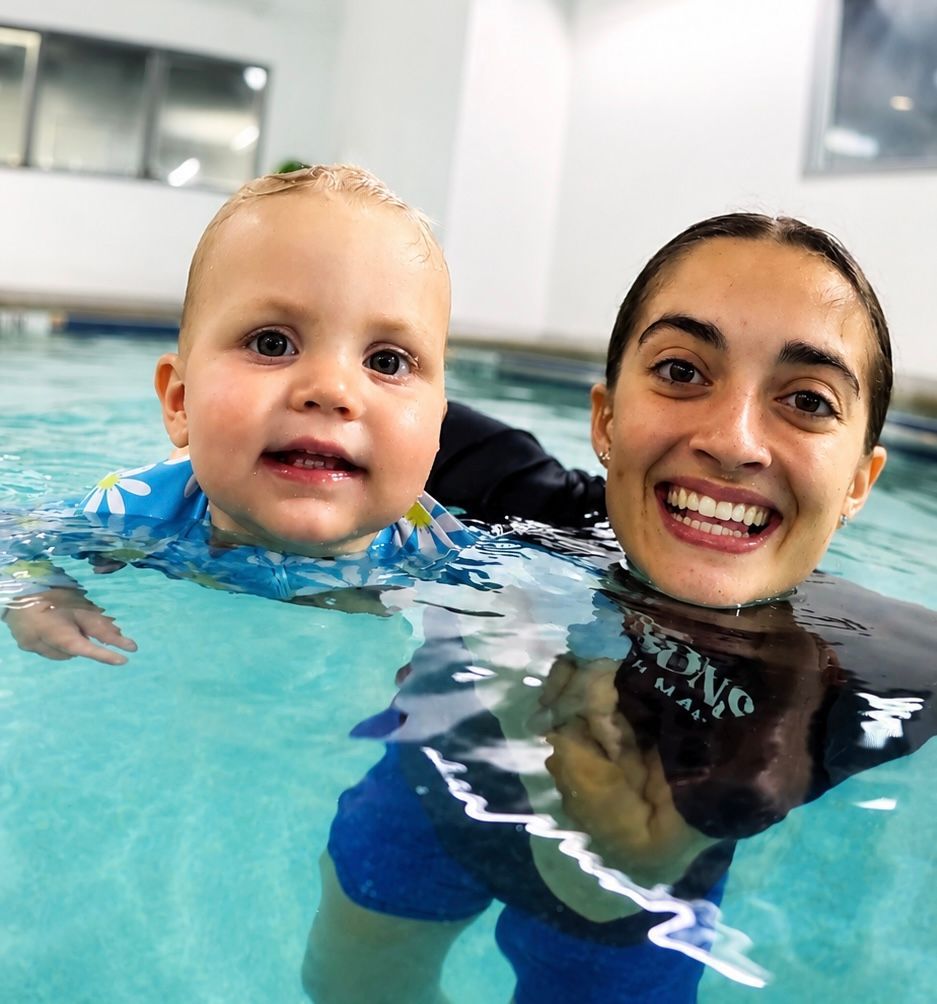
One of the most common questions we hear from parents is: "How do I know if my child is making progress?" It's a fair question. After all, every parent looks forward to the day their child can confidently swim across the pool. But here's the thing, learning to swim isn't something that happens overnight. Swimming is a journey built on small victories. Before a child is ever swimming independently, they're developing confidence, trust, body awareness, and essential water safety skills. These milestones are easy to overlook because they don't always look like "swimming" yet. If you've been wondering whether your child is improving, here are seven signs that they're making progress, sometimes before you even realize it. 1. They Feel More Comfortable Around the Water Think back to your child's very first lesson. Were they hesitant to get in? Holding tightly to you? Unsure about putting their face in the water? Now maybe they're smiling as they walk onto the pool deck, eagerly greeting their instructor, or jumping in with excitement. Comfort leads to confidence, and confidence creates better learning. Simply feeling more relaxed in the water is a huge step forward. 2. They're Willing to Try New Things Progress isn't about getting every skill perfect; it's about being willing to try. Maybe your child still needs help floating, but they're no longer afraid to attempt it. Maybe they're putting their face underwater for a few seconds longer than they did last week. Every new attempt is a sign that they're gaining confidence and trusting the learning process. 3. They're Building Trust With Their Instructor This is one of the biggest milestones that can be easily overlooked. When children begin trusting their instructor, they're more willing to take on new challenges, recover from mistakes, and practice skills that once felt scary. That trust creates an environment where learning happens much faster. 4. Their Water Safety Skills Are Improving At Swim Lessons with Mary, our goal isn't just to teach children how to swim, we teach them how to be safer around the water. Long before children are swimming independently, they may already be learning to: Turn back to the wall after entering the water Hold onto the wall confidently Climb out safely Float with increasing independence Stay calm in the water Breath control and making sure to exhale in the water These are life-saving skills that deserve just as much celebration as swimming across the pool. 5. Their Endurance Is Increasing Swimming requires coordination, balance, and strength. You may notice your child practicing skills for longer periods, kicking with more power, or finishing lessons with more energy than they had a few weeks ago. Those physical improvements often happen gradually, making them easy to miss, but they're an important part of becoming a strong swimmer. 6. They're More Confident After Small Setbacks Not every lesson is perfect. Some days a skill clicks immediately. Other days it doesn't. One overlooked sign of progress is how your child responds when something is difficult. If they recover quickly, try again, or leave the lesson smiling even after a challenge, they're building resilience alongside their swimming skills. Learning to swim is just as much about confidence as it is technique. 7. They're Excited to Come Back Sometimes the greatest sign of progress has nothing to do with what happens in the water. If your child talks about swim lessons at home, asks when their next lesson is, or can't wait to see their instructor again, that's something worth celebrating. Children learn best when they feel safe, supported, and excited to participate. Remember: Progress Doesn't Always Look Like Swimming It's easy to compare your child to another swimmer who's already swimming independently. But every child starts from a different place. Some need more time to build confidence. Others develop physical skills quickly but need extra practice with coordination. Neither path is "better," they're simply different. The strongest swimmers aren't always the ones who learn the fastest. They're often the ones who have been given the time to build a solid foundation. Celebrate the Little Wins Every bubble blown. Every brave jump into the water. Every successful float. Every trip back to the wall. Every smile at the end of a lesson. These moments may seem small, but together they add up to something big. At Swim Lessons with Mary, we believe every child deserves the opportunity to learn at their own pace while building the confidence and water safety skills they'll carry for a lifetime. So if you're wondering whether your child is making progress, take a look beyond whether they can swim across the pool just yet. You might discover they're making more progress than you ever realized and every one of those small victories is bringing them one step closer to becoming a safe, confident swimmer.
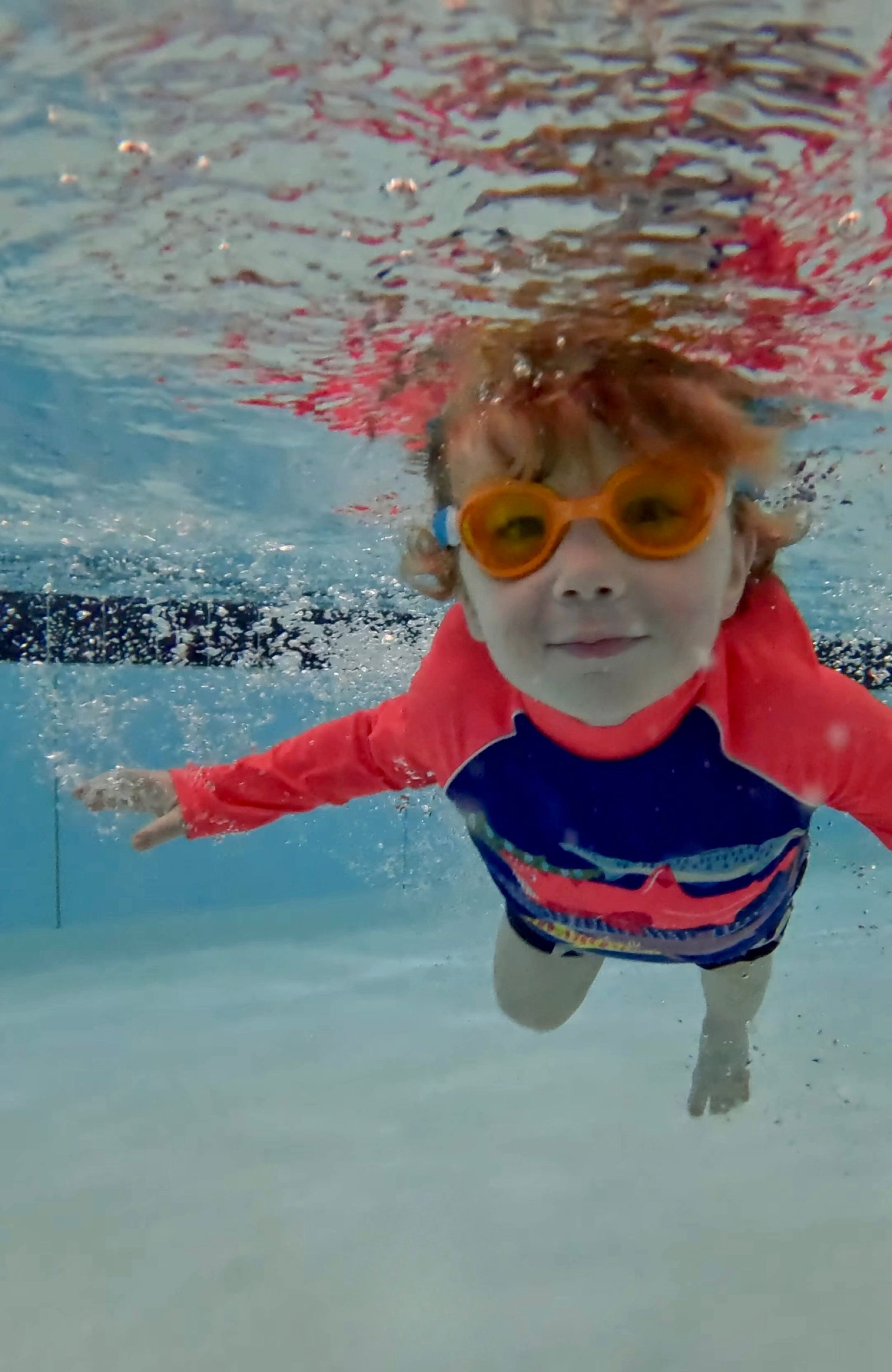
When most parents sign their children up for swim lessons, they're usually thinking about water safety, confidence, and physical activity. Those are all excellent reasons to learn to swim. But did you know that swimming may also support your child's intellectual development? Research suggests that the cognitive benefits of swimming for children extend far beyond learning strokes and staying safe in the water. From improved focus and language development to enhanced problem-solving abilities and brain function, swimming offers unique advantages that can support a child's growth both in and out of the classroom (United States Swim School Association, n.d.; Yu et al., 2024) . In fact, experts studying swimming and child development have found that the combination of movement, learning, and sensory experiences creates powerful opportunities for cognitive growth. How Swimming Helps Brain Development in Children One of the reasons researchers are so interested in swimming is that it engages nearly every part of a child's body and brain simultaneously. Unlike many activities that focus on a single skill, swimming requires children to coordinate their arms, legs, breathing, balance, and body position all at once. This level of coordination challenges the brain to process multiple streams of information simultaneously and encourages communication between different areas of the brain. According to a 2024 study published in Frontiers in Public Health, swimming activities may promote neurological development and support intellectual growth in young children (Yu et al., 2024) . When children are learning new swimming skills, they're not only strengthening their muscles, but they're also strengthening neural pathways that support learning and development. The Cognitive Benefits of Swimming for Children Start Early The cognitive benefits of swimming for children can begin long before they enter elementary school. The United States Swim School Association notes that swim lessons expose children to new vocabulary, concepts, directions, colors, and descriptive language. As children learn to follow instructions and connect words with actions, they are simultaneously developing communication and comprehension skills (United States Swim School Association, n.d. ) . For example, children regularly hear and respond to words such as "kick," "float," "reach," "glide," and "roll over." Associating these instructions with physical actions helps reinforce language acquisition and understanding. According to the United States Swim School Association, these early cognitive experiences help build foundational skills that support future reading, writing, and arithmetic development (United States Swim School Association, n.d.) . How Swimming Improves Focus and Learning Many parents notice that swimming improves focus and learning, even if they don't immediately realize why. Every swim lesson requires children to listen carefully, remember instructions, apply feedback, and make adjustments. Whether they're learning to float independently or mastering a new stroke, children must remain engaged and attentive throughout the learning process. Swimming also teaches patience and persistence. When a skill doesn't come easily, children learn to keep trying until they succeed. These experiences help develop concentration, self-discipline, and resilience; qualities that are valuable both in school and throughout life. Because swimming combines physical activity with structured learning, it naturally encourages children to practice the same focus and attention skills they use in academic settings. Swimming Builds Problem-Solving Skills and Confidence Another important aspect of swimming and child development is the way swim lessons encourage problem-solving. Every new skill presents a challenge. Children learn how to adjust their body position, control their breathing, and coordinate their movements more effectively. Through practice and repetition, they discover solutions and gain confidence in their abilities. As children overcome challenges in the pool, they develop a growth mindset. They begin to understand that learning takes effort and that mistakes are simply part of the process. This confidence often carries over into other areas of life, helping children approach new experiences with greater independence and determination. Research Supports the Benefits of Swim Lessons for Kids The benefits of swim lessons for kids aren't just observations from parents and instructors; they're increasingly supported by scientific research. In a study examining preschool children who participated in an eight-week swimming program, researchers found that children who participated in parent-accompanied swimming demonstrated significantly higher intelligence scores than children who participated in traditional physical exercise programs (Yu et al., 2024) . The researchers concluded that parent-accompanied swimming may be particularly beneficial for supporting both physical fitness and cognitive development during the preschool years. While no single activity can guarantee academic success, studies like this suggest that swimming offers unique developmental benefits that extend beyond general exercise. More Than Water Safety: The Lasting Benefits of Swim Lessons for Kids At Swim Lessons with Mary, our primary goal is always water safety. Every child deserves the skills and confidence needed to stay safer around water. But the benefits of swim lessons for kids go far beyond safety alone. Swimming helps children develop focus, communication skills, problem-solving abilities, confidence, independence, and resilience. It supports healthy brain development while providing opportunities for learning through movement and play. The connection between swimming and child development continues to be an exciting area of research, and the findings are encouraging for parents looking for activities that support their child's overall growth. So the next time your child heads to swim lessons, remember: they're doing much more than learning how to swim. They're building skills that may help them succeed in school, in relationships, and throughout life. References United States Swim School Association. (n.d.). Benefits for Young Children: Learning to Swim Goes Beyond Swim Skills. Retrieved from https://usswimschools.org/benefits-for-young-children-learning-to-swim-goes-beyond-swim-skills/ Yu, Y., Xia, L., Yan, H., & Lu, Y. (2024). Effects of 8 Weeks Parent-Accompanied Swimming on Physical Capacity and Intelligence in Preschool Children. Frontiers in Public Health, 12. Retrieved from https://pmc.ncbi.nlm.nih.gov/articles/PMC11176541/ Swim It Right. (n.d.). Swimming Makes You Smarter. Retrieved from https://swimitright.com/blog/swimming-makes-you-smarter
As parents, we do everything we can to keep our children safe. We buckle car seats, hold hands in parking lots, and babyproof our homes. But when it comes to water safety, many families don’t realize how quickly danger can happen and how important multiple layers of protection truly are. Drowning is fast, silent, and often preventable. The good news is that there are proven ways to reduce the risk and help children become safer and more confident around water. Drowning Statistics Every Parent Should Know According to Stop Drowning Now , drowning is one of the leading causes of accidental death for children. In fact: Drowning is the leading cause of death for children ages 1–4. Many drownings happen during non-swim times when children unexpectedly gain access to water. Drowning can happen in as little as 20–60 seconds and is often silent. Formal swim lessons can reduce the risk of drowning by up to 88% for children ages 1–4. These statistics can feel overwhelming, but they also highlight something hopeful: education and preparation make a real difference. The 5 Layers of Protection The National Drowning Prevention Alliance (NDPA) teaches that no single safety measure is enough on its own. Instead, families should use multiple “layers of protection” to reduce risk. 1. Supervision Active adult supervision is the first and most important layer. That means: Staying within arm’s reach of young children Avoiding distractions like phones or conversations Designating a “Water Watcher” during pool parties or gatherings Even strong swimmers need supervision around water. 2. Barriers and Alarms Physical barriers help prevent unsupervised access to water. These include: Four-sided pool fencing with self-latching gates Door alarms Pool covers Locked gates Many accidents happen when a child wanders into the pool area unexpectedly. 3. Water Competency Learning to swim is one of the strongest protections against drowning. Water competency includes: Basic swim skills Floating and breathing control Knowing how to safely enter and exit water Understanding water safety rules Swim lessons build confidence, reduce fear, and teach lifesaving skills that children can carry for life. 4. Life Jackets U.S. Coast Guard-approved life jackets are essential around open water, boating, lakes, and for weaker swimmers. Water wings and inflatable toys are not substitutes for life jackets or supervision. 5. Emergency Preparedness Parents and caregivers should know: CPR How to respond in an emergency Basic rescue techniques How to call for help quickly Prepared adults can save precious seconds during an emergency. Swim Lessons Are About More Than Swimming Many parents think swim lessons are only for children who are “ready” to swim independently. In reality, lessons are about teaching safety, comfort, and respect for the water at every age. Children who participate in swim lessons often learn: How to safely enter and exit the pool How to float and recover Breath control Listening skills around water Confidence without overconfidence Learning these skills early can make a significant difference in emergency situations. Making Water Safety Conversations Kid-Friendly Water safety is serious, but that doesn’t mean learning about it has to feel scary. Organizations like the American Red Cross offer age-appropriate resources, games, songs, and activities that help children learn important safety concepts in engaging ways. For younger children, simple repetition and playful learning can help reinforce: Asking permission before going near water Wearing life jackets Pool rules What to do if they fall into water The goal is to build respect for water without creating fear. A Community Effort Keeping children safe around water takes all of us, parents, caregivers, swim instructors, schools, and communities. No single tool guarantees safety, but together, layers of protection greatly reduce risk. Swim lessons, supervision, barriers, and water safety education work best when combined. Every lesson learned and every precaution taken helps create safer experiences around water for children and families alike. Water should be a place of joy, confidence, and lifelong memories and safety is what makes that possible.
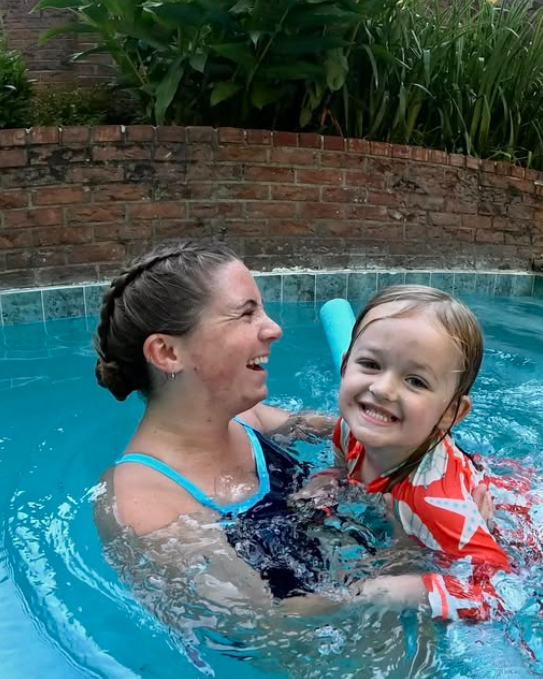
When it comes to swim lessons for kids , progress doesn’t just happen in the pool, it’s built through teamwork between parents and instructors. At Swim Lessons with Mary, we focus on teaching lifesaving water safety skills in a fun, supportive environment. But one of the biggest factors in how quickly a child learns to swim is what happens outside of their 30-minute lesson. When parents and instructors work together, children build confidence, overcome fears, and develop strong swimming skills much faster. When mixed messages happen, progress can slow down. Here’s how you can support your child’s success and help them become a confident, safe swimmer. Encouraging Kids to Overcome Fear of Water It’s very common for children to feel nervous about skills like going underwater. Learning to swim requires stepping outside of their comfort zone, and that’s where your encouragement matters most. Instead of saying: “You don’t have to go underwater if you don’t want to.” Try saying: “I know it feels scary, but you’re so brave and your instructor will help you!” When parents encourage bravery instead of avoidance , children are more likely to push through fear and build confidence. Pro tip: Talk with your swim instructor about your child’s fears. We can help create fun challenges, games, or small incentives that make learning new skills exciting instead of intimidating. Stay Consistent Outside of Lessons Progress in swim lessons comes from repetition and consistency. That’s why what happens outside of lessons matters just as much as what happens during them. For example, if your child used a puddle jumper before starting lessons, continuing to rely on it can actually slow their progress. These devices can reinforce body positions and habits that we’re actively working to change during lessons. Instead of continuing to use a puddle jumper, we encourage you to partner with your child’s instructor. Ask us what tools, activities, or practices we recommend so your swimmer can keep building the right skills, even outside of lesson time. Want to learn more about why puddle jumpers can hold swimmers back? Check out this blog post . How Parent Reactions Can Impact Water Confidence One of the most overlooked parts of teaching kids to swim is how much children pick up on their parents’ emotions. If your child successfully practices a new skill, like going underwater, but sees you react with fear, rush to the pool, or panic, they may interpret that moment as unsafe. This can lead to: Increased fear of water Hesitation to try new skills Slower overall progress Instead, try to: Stay calm and confident Smile and show encouragement Trust the instructor’s guidance Your reaction helps shape how your child feels about the water. When you show confidence, they feel it too. Trust Your Swim Instructor and the Process We understand, it’s not always easy to watch your child struggle or try something new. But those moments are where real growth happens. At Swim Lessons with Mary, our instructors are trained to: Teach age-appropriate swim skills Prioritize water safety at all times Build confidence through positive reinforcement When parents trust the process and support lesson goals, children feel more secure and that leads to better results. Helping Your Child Become a Confident, Safe Swimmer Learning to swim is a journey, and your role as a parent is incredibly important. When you: Encourage bravery Stay consistent outside of lessons Partner with your instructor Model calm, confident behavior …you’re helping your child build skills that could one day save their life. If you ever have questions about how to support your child’s swim progress, we’re always here to help. At Swim Lessons with Mary, we’re proud to partner with families to build confident, capable swimmers , one lesson at a time
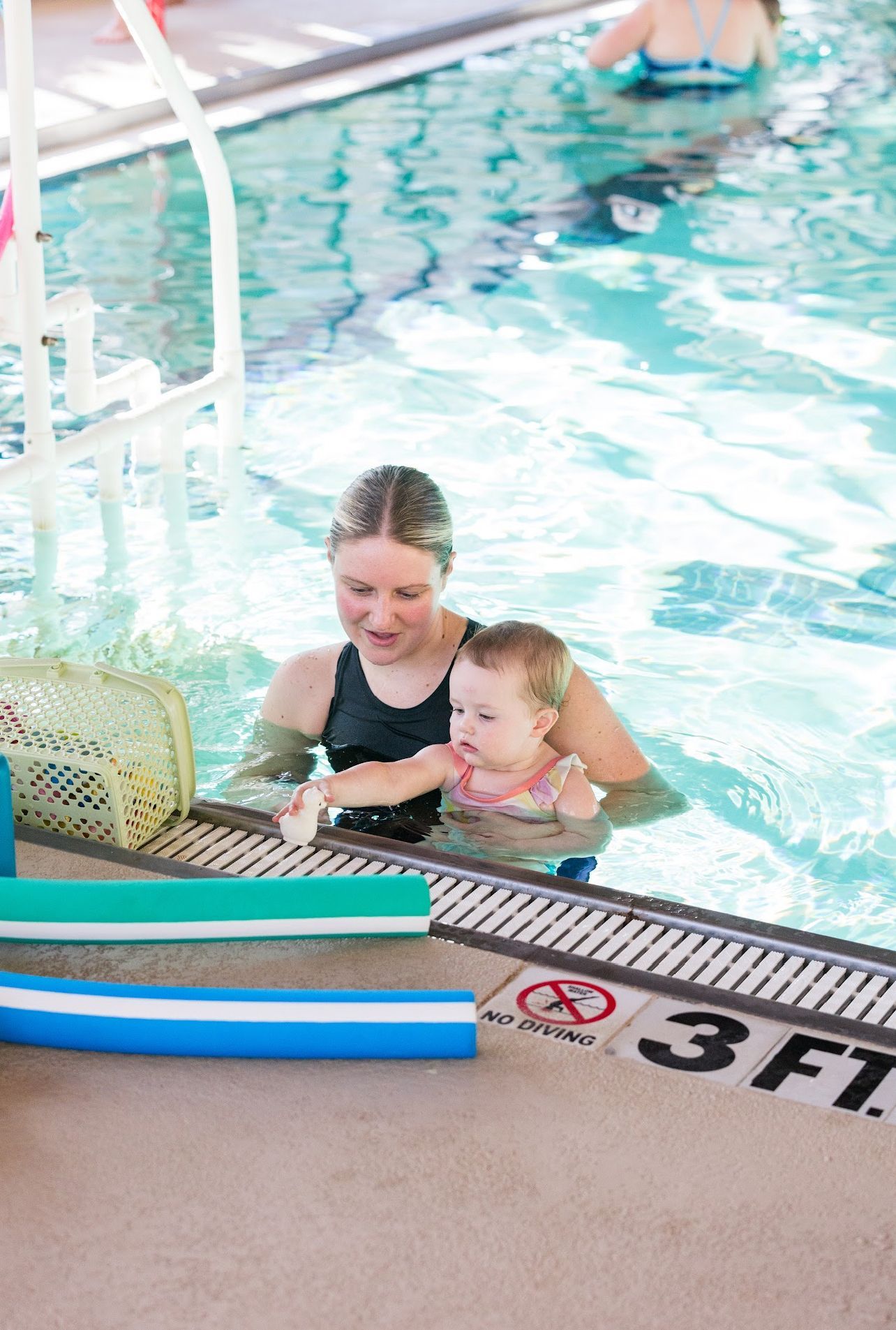
Starting swim lessons is a big milestone for both children and parents. While some kids jump right in with excitement, others may feel nervous about separating from mom or dad. If your child cries during their first few lessons, please know: this is a very normal part of childhood development. Separation anxiety is a common developmental stage where young children feel distress when separated from a primary caregiver. Child development research highlighted by Simply Psychology explains that separation anxiety often appears during infancy and toddlerhood as children form strong emotional attachments and begin to understand that caregivers can leave their sight (Simply Psychology – Separation Anxiety). For many little ones, swim lessons may also be the first time they’ve been handed to another adult in a brand-new environment , which can feel overwhelming at first. The good news is that with patience, consistency, and supportive instructors, most children adjust quickly. Why Do Kids Cry at Swim Lessons? It’s actually very common for young children to cry during their first few swim lessons. Several factors can contribute to this reaction: A new environment A new instructor Being separated from a parent A new routine or expectation The parenting resource, Raising Children Network, notes that separation anxiety often appears when children begin realizing their caregivers can leave and they aren’t yet certain when they will return (Raising Children Network – Separation Anxiety). Even though the experience may feel unfamiliar at first, many children become more comfortable once they begin building trust with their instructor and understanding the routine. Expect (and Normalize) Some Tears The first few lessons can bring big emotions. A new instructor, a new environment, and a new routine can feel overwhelming at first. Guidance from Raising Children Network explains that separation anxiety is a normal developmental phase that frequently appears between about 6 months and 3 years of age (Raising Children Network – Separation Anxiety). Tears during the beginning of swim lessons do not mean your child isn’t ready and they do not mean the lesson isn’t working. Often, it simply means your child is adjusting to something new. Once children begin interacting with their instructor and engaging in the water, many settle quickly. Try “Out of Sight, Out of Mind” It might feel natural to stay close by while your child is in the pool, but sometimes stepping out of sight can actually help. When children can see their parents nearby, they may continue reaching for them rather than engaging with their instructor. Watching from a window or stepping off the pool deck can help many children focus on the lesson and begin building trust with their teacher. Experts at Raising Children Network emphasize that brief and consistent separations help children gradually develop independence and confidence as they learn their caregiver will return (Raising Children Network – Separation Anxiety). Keep Goodbyes Short and Confident Goodbyes matter more than we sometimes realize. Research summarized by Simply Psychology highlights that children often look to their caregivers’ reactions to understand how safe a situation is. When parents remain calm and confident, children are more likely to feel secure (Simply Psychology – Separation Anxiety). Instead of long or emotional goodbyes, try a simple routine: A hug. A smile. A confident “I’ll see you right after your lesson!” Short and positive goodbyes often make the transition easier. Create a Simple Pre-Lesson Routine Young children thrive on predictability. When they know what to expect, new experiences can feel much less overwhelming. Creating a small ritual before each lesson can help your child feel more comfortable. This might include: A special high-five before entering the pool A phrase you say every time Waving to each other through the window Developmental guidance from Raising Children Network highlights that predictable routines can help children feel more secure and manage transitions away from caregivers more comfortably (Raising Children Network – Separation Anxiety). Stay Calm and Positive Children are incredibly perceptive and often mirror the emotional responses of the adults around them. Research discussed by Simply Psychology explains that caregiver responses can influence how children experience separation. When parents remain calm and reassuring, children are more likely to interpret the situation as safe (Simply Psychology – Separation Anxiety). Even if you’re feeling a little nervous yourself, showing calm confidence can help your child approach the lesson with more bravery. Trust the Process Adjusting to swim lessons takes time, especially in the beginning. Research published through the National Center for Biotechnology Information (NCBI) in PubMed Central i ndicates that separation anxiety during early childhood is typically temporary and tends to decrease as children develop stronger coping skills and independence (PMC4598341 – Separation Anxiety in Childhood). During those first few lessons, building trust between the instructor and swimmer is just as important as learning swim skills. Our 30-minute private swim lessons allow instructors to move at a pace that supports each child individually while helping them feel safe and comfortable in the water. A Final Word for Parents If your child cries during their first swim lessons, remember: You’re not doing anything wrong. Your child is not behind. They’re simply learning to navigate something new. Separation anxiety is a normal developmental stage, and with encouragement, consistency, and positive experiences in the water, most children quickly build the confidence they need to thrive. Before long, those early nerves often turn into proud smiles, splashes, and growing independence. And we’re here to support both you and your swimmer every step of the way.
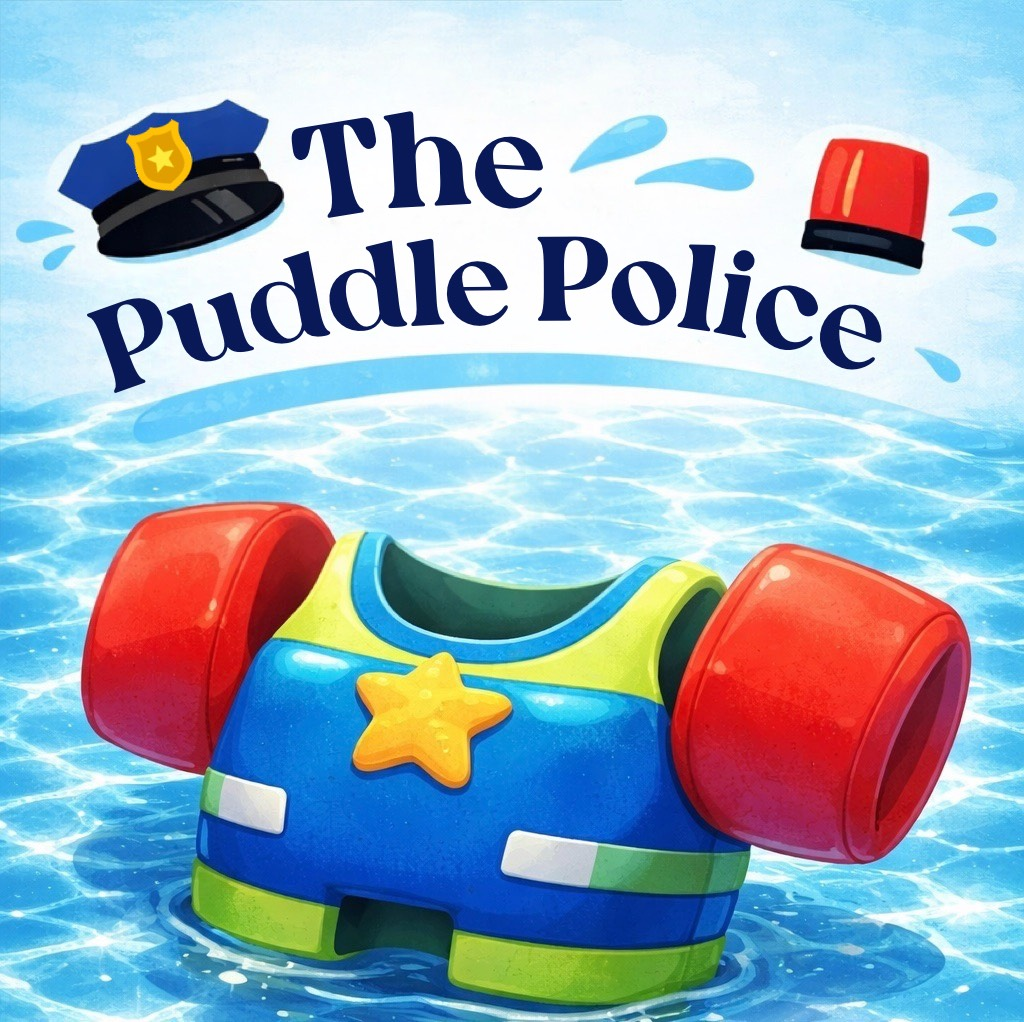
Puddle Jumpers are everywhere, bright, colorful, and often marketed as the “safe” choice for kids in the water. They make children feel confident and give parents peace of mind. But here’s what the Puddle Police want families to know: Puddle Jumpers can actually interfere with the development of real water safety skills. 🚓💦 ⚠️ The Problem: They Teach the “Drowning Position” Puddle Jumpers hold children in a vertical, head-up position . While this may look safe, it’s actually the same body position a person takes when they’re struggling to stay afloat. Over time, kids learn that: Being upright = safe The water will hold them up Kicking and pulling aren’t necessary When the Puddle Jumper comes off, their bodies don’t automatically know how to float, roll, or move independently because they’ve practiced relying on flotation instead of skills. 🧠 Muscle Memory, Arm Movement & False Confidence Children learn through repetition, and what they practice in the water becomes muscle memory. Puddle Jumpers don’t just affect body position; they also prevent kids from using their arms correctly . Because flotation is attached directly to the arms, children are physically unable to practice proper arm pulls or strong “scoops” through the water. Instead of reaching forward and pulling water behind them, kids often: Hold their arms stiff and wide Paddle outward or splash on the surface Rely on flotation rather than movement Effective swimming requires arms to pull through the water, not float on top of it. When children can’t practice meaningful arm movements, those skills don’t magically appear once the device is removed. This can also create a false sense of confidence for both kids and adults. Puddle Jumpers are not lifesaving devices and should never replace close, active supervision. 💧How Puddle Jumpers Can Interfere With Swim Lesson Progress Even when children are making great progress during swim lessons, continued use of Puddle Jumpers outside of lessons can unintentionally slow or reverse that progress . When kids switch back and forth between: practicing real swim skills during lessons, and relying on flotation devices during family swim time their bodies receive mixed messages . Instead of reinforcing skills like floating independently, scooping with the arms, and moving calmly through the water, Puddle Jumpers reintroduce upright posture, restricted arm use, and dependence on flotation. Over time, this inconsistency can cause children to regress , hesitate, or struggle to apply what they’ve already learned. Consistency matters. The more opportunities children have to practice without flotation, the more confidently those skills stick. 🛟If Flotation Is Needed, What Should Be Used? There are situations such as boating, open water, or busy pool environments, where flotation may be necessary. In those cases, the only truly recommended option is a properly fitted U.S. Coast Guard–approved life jacket. These are designed, tested, and regulated for real safety scenarios. For swim practice, some tools like swim backpacks, offer light, adjustable flotation while still allowing children to stay in a horizontal swimming position . This supports proper kicking and arm scoops without locking kids into an upright posture. For a list of some of our recommended pool gear, click here . 🏊♀️ The Safer Path: Skills Over Straps True water confidence comes from understanding how the body works in the water. We encourage: ✅ Independent floating (especially on the back) ✅ Breath control and calm recovery ✅ Proper arm scoops and effective kicking in a horizontal body position ✅ Consistent instruction with close supervision 💙 Confidence Built Through Learning (Not Judgment) Families choose flotation devices because they care deeply about their child’s safety, and that matters. Puddle Jumpers are widely available and commonly used, so it’s understandable why many parents turn to them. Our goal isn’t to criticize past choices, but to share information that empowers families moving forward. Water safety is a learning process, and small changes, like focusing on skill-building and consistency, can make a big difference over time. 💦 Curious About Swim Lessons, But Not Sure Where to Start? If your child relies on flotation, or if swim lessons feel a little intimidating, you’re not alone. Many families come to Swim Lessons with Mary feeling unsure, hesitant, or simply curious about what their child can do without flotation. Our private, 30-minute lessons are designed to: Go at your child’s pace Build confidence gently and safely Focus on floating, breathing, and proper movement Create calm, positive experiences in the water There’s no pressure, no rushing, and no expectations, just supportive instruction that meets your child where they are. If you’re starting to wonder whether your child is ready to build real swim skills, we’d love to help you explore that next step. 👉 Learn more about Swim Lessons with Mary here!
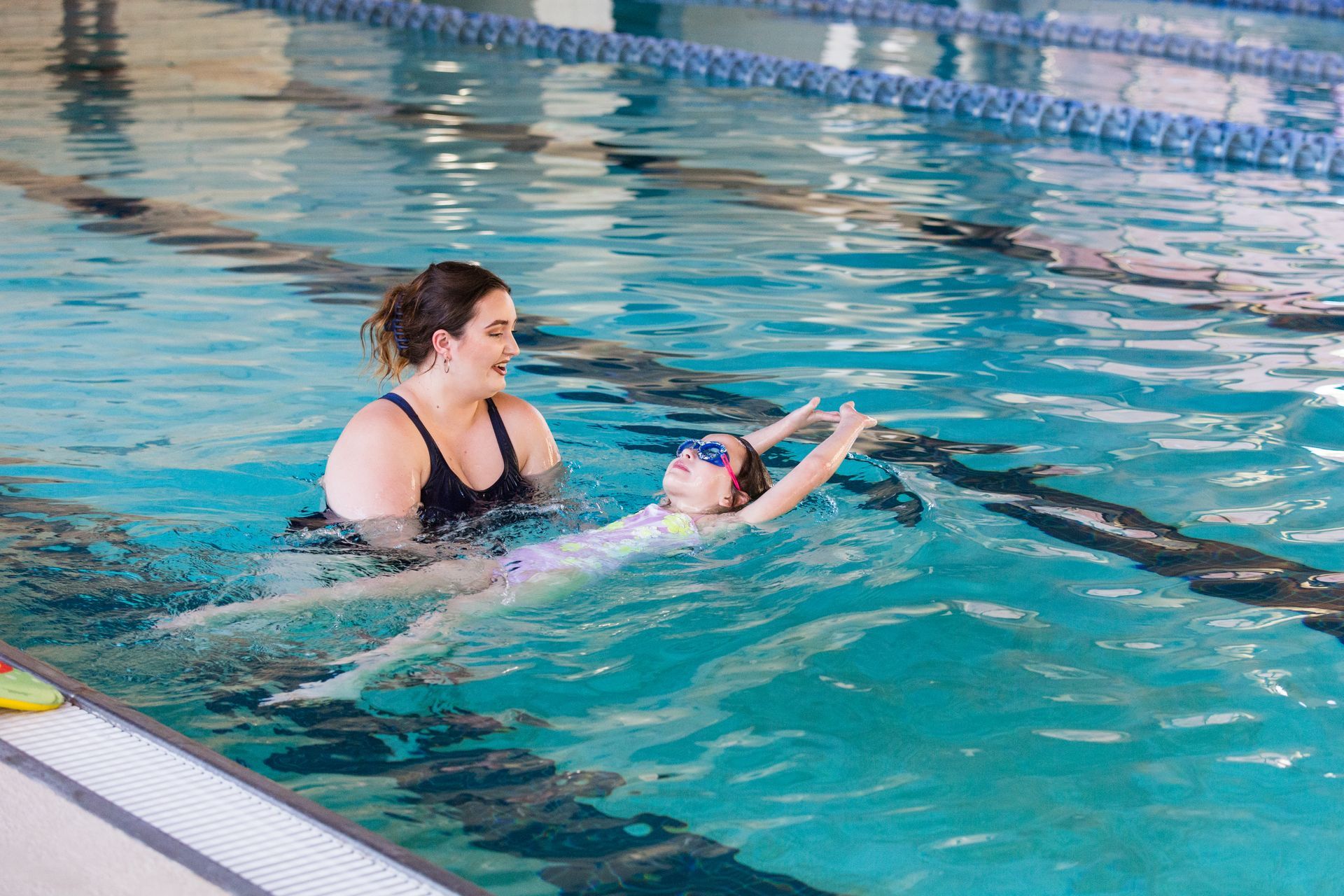
When parents sign their kids up for swim lessons, the goal is clear: learn to swim and be safer around water. That’s the reason we do what we do, and it matters deeply. But something else happens in the pool too. Week after week, kids don’t just learn how to float, kick, and breathe. They also build skills that show up in school, at home, and everywhere life asks them to try something new. Here are a few of the most powerful things kids learn in swim lessons that have nothing to do with swimming. 1) Courage: Trying Something That Feels Scary Walking into the pool for the first time is a big deal for many kids. The water feels unfamiliar. The sounds echo. They may not know what will happen next. Even kids who like water can feel nervous about new skills like going underwater, floating on their back, or letting go of the wall. And then they do it. Sometimes with hesitation. Sometimes with a deep breath. Sometimes with a little shaky voice that says, “I don’t want to.” And we celebrate that moment because courage isn’t about never being afraid, it’s about trying anyway. ✅ That courage carries into other parts of life: raising a hand in class, joining a team, sleeping away from home, making new friends. 2) Resilience: Messing Up and Coming Back for More Swim lessons are full of small challenges. A child tries to float and sinks. They blow bubbles, then swallow water. They kick hard and still don’t move forward much. And yet, they show up next week and try again. That’s resilience: learning that progress doesn’t require perfection. It requires practice. One of the best parts of the pool is that kids can’t fake it. It’s real skill-building and real confidence comes from learning through trial and error. ✅ This is how kids learn grit: “I didn’t get it today… but I will.” 3) Trust: Building a Relationship with Their Instructor (and Themselves) For many children, swim lessons are one of the first times they’re asked to trust an adult outside their family in a hands-on, unfamiliar environment. They learn: that their instructor will keep them safe that their instructor will guide them kindly that they can try hard things with support Over time, that trust grows into something even deeper: trust in themselves. ✅ They learn: “I can do hard things.” That belief becomes a foundation for everything they learn later. 4) Listening and Focus: Following Steps in a Fun (But Structured!) Setting Swim lessons are fun, but they require focus. Kids learn how to: listen for cues and instructions follow multi-step directions stay aware of what’s happening around them And because the pool is an exciting environment, lessons also help teach kids how to regulate their bodies and attention. ✅ These are skills that support success in school, sports, and even at home during daily routines. 5) Independence: “I Did It By Myself!” There’s something special about the moment a child realizes they’ve done something without being held. It might be: their first back float their first jump in and return to the wall their first time swimming a few feet solo their first safe entry or exit That independence is huge because it isn’t just physical. It’s emotional. ✅ Kids begin to believe: “I can do hard things by myself.” That belief builds confidence far beyond the pool. 6) Patience: Progress Takes Time Swim skills don’t happen overnight. Kids learn quickly that: some things take many tries some days are harder than others improvement comes from consistency practice matters more than talent And most importantly: Ev erybody learns at their own pace. ✅ That patience becomes a lifelong skill in learning, friendships, athletics, and personal growth. 7) Pride: Real Confidence Comes From Real Effort The best confidence comes from: trying practicing learning improving Kids feel proud when they know they’ve earned their progress, even if it took time. That pride is powerful because it is rooted in effort, not perfection. ✅ That kind of confidence becomes steady and lasting. Swim Lessons Are About More Than Swimming Yes, we teach swim skills. Yes, we teach water safety. But at Swim Lessons with Mary , we also teach kids important life skills: How to keep going when something feels hard. How to trust themselves. How to be brave. How to try. And those lessons stay with them, long after the towel dries. Swim lessons aren’t just about swimming; they’re about giving your child skills they’ll carry into every new challenge. If you’re ready to begin, Swim Lessons with Mary is here to help you get started.
The holidays are a time for giving, and few gifts are as powerful as the gift of safety, confidence, and joy in the water. This December, we’re excited to have launched our Swim for Hope Tree Fundraiser , a heartfelt campaign to sponsor private swim lessons for children in our community. Every donation helps a child learn to swim and every swim lesson is a step toward preventing drowning, building trust, and opening doors to a lifetime of confidence. Why This Matters Drowning is a silent tragedy. It’s the #1 cause of death for children ages 1–4 and the second leading cause of injury-related death for kids under 14 . Each year in the U.S., around 900 children lose their lives to drowning, a devastating number that doesn’t account for the thousands of nonfatal incidents that result in long-term trauma or medical complications. But here’s the hopeful part: Formal swim lessons have been shown to reduce the risk of drowning by up to 88%. That’s why this fundraiser matters. And that’s where you come in. 100% of Donations Support the Hope Floats Scholarship Fund Every dollar you give through the Swim for Hope Tree goes directly to our Hope Floats Foundation Scholarship Fund . This fund helps us provide free or reduced-cost private swim lessons to children in our community whose families are experiencing financial hardship. We’re proud to be a Hope Floats partner because they share our belief that every child deserves access to lifesaving swim education. 💙 Click here to read more about our partnership with Hope Floats and why we joined this national mission. How the Fundraiser Works Giving is easy and meaningful. You can choose to sponsor: 💧 1 swim lesson 💧 4 lessons 💧 8 lessons 💧 Or donate any custom amount that works for you Each lesson is a 30-minute private session taught by one of our caring, certified instructors, designed to build real skills, water safety awareness, and confidence in the pool. 🖥️ The donation page is live now at givebutter.com/SwimForHopeTree 🎄 And very soon, our decorated Swim for Hope Trees will be up at all SLWM pool locations. Each tree will feature donation tags you can grab! It’s a simple way to make a difference right where you swim. Give a Gift That Lasts At Swim Lessons with Mary, we’ve always believed that swimming is more than a sport, it’s a life skill. It teaches kids how to breathe through fear, how to trust their bodies, and how to stay safe around water. This holiday season, we invite you to give the gift of swimming. Your donation doesn’t just help one child, it ripples outward, touching families, building stronger swimmers, and creating safer futures. Thank you for being part of our Swim for Hope Tree. 💙