
The Truth About Drowning: What Every Parent Needs to Know About Water Safety
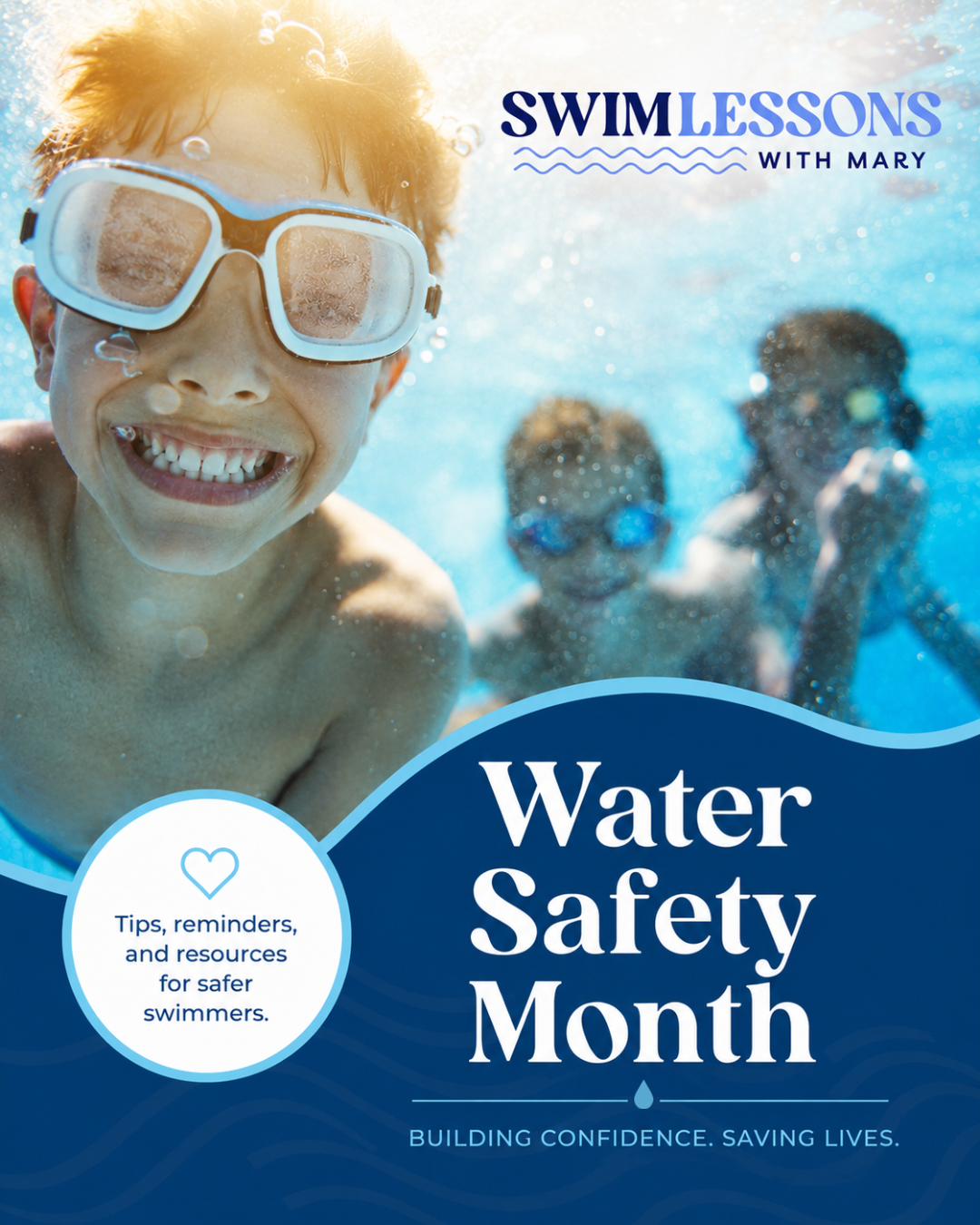
As parents, we do everything we can to keep our children safe. We buckle car seats, hold hands in parking lots, and babyproof our homes. But when it comes to water safety, many families don’t realize how quickly danger can happen and how important multiple layers of protection truly are.
Drowning is fast, silent, and often preventable. The good news is that there are proven ways to reduce the risk and help children become safer and more confident around water.
Drowning Statistics Every Parent Should Know
According to Stop Drowning Now, drowning is one of the leading causes of accidental death for children. In fact:
- Drowning is the leading cause of death for children ages 1–4.
- Many drownings happen during non-swim times when children unexpectedly gain access to water.
- Drowning can happen in as little as 20–60 seconds and is often silent.
- Formal swim lessons can reduce the risk of drowning by up to 88% for children ages 1–4.
These statistics can feel overwhelming, but they also highlight something hopeful: education and preparation make a real difference.
The 5 Layers of Protection
The National Drowning Prevention Alliance (NDPA) teaches that no single safety measure is enough on its own. Instead, families should use multiple “layers of protection” to reduce risk.
1. Supervision
Active adult supervision is the first and most important layer. That means:
- Staying within arm’s reach of young children
- Avoiding distractions like phones or conversations
- Designating a “Water Watcher” during pool parties or gatherings
Even strong swimmers need supervision around water.
2. Barriers and Alarms
Physical barriers help prevent unsupervised access to water. These include:
- Four-sided pool fencing with self-latching gates
- Door alarms
- Pool covers
- Locked gates
Many accidents happen when a child wanders into the pool area unexpectedly.
3. Water Competency
Learning to swim is one of the strongest protections against drowning. Water competency includes:
- Basic swim skills
- Floating and breathing control
- Knowing how to safely enter and exit water
- Understanding water safety rules
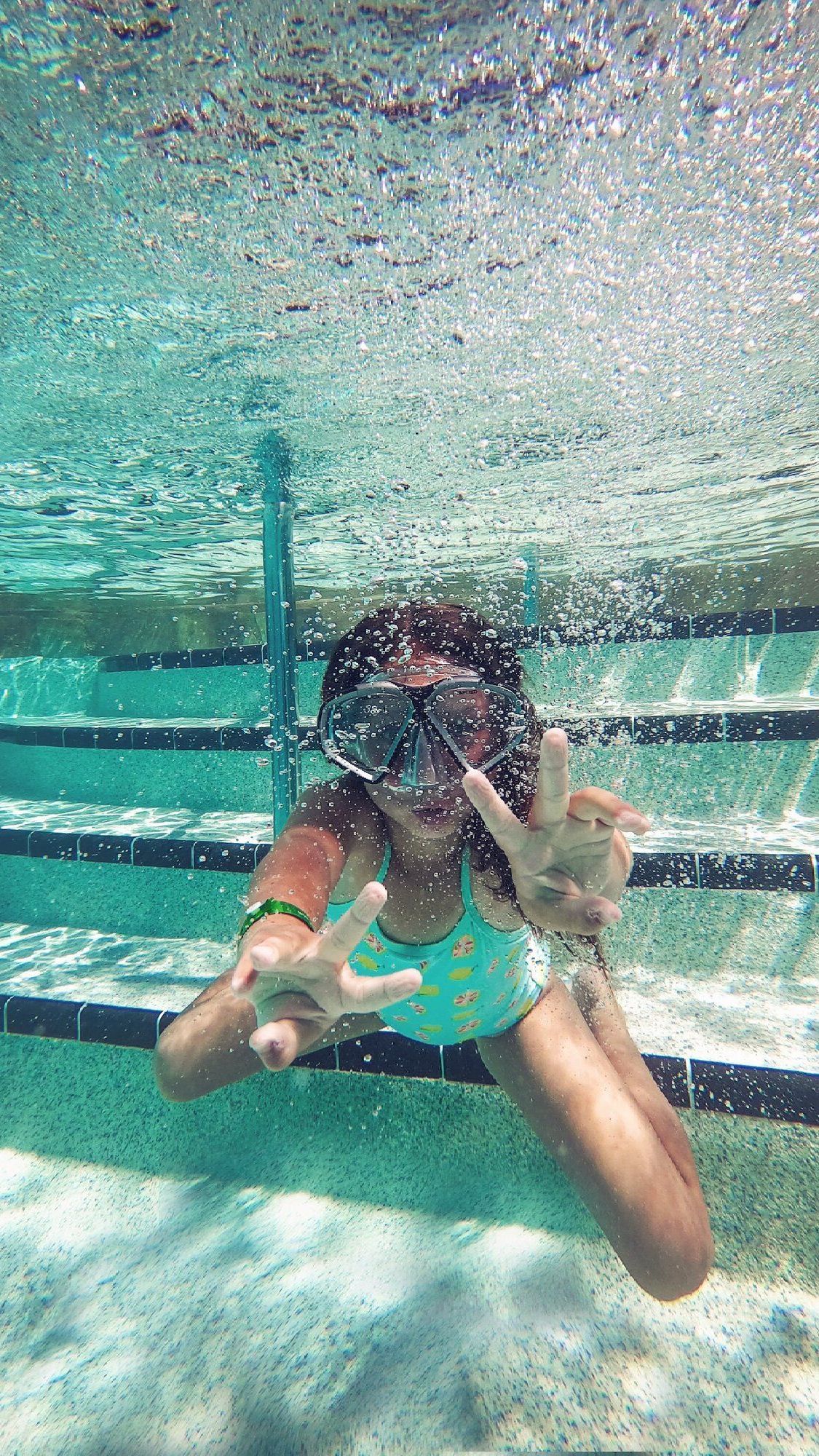
Swim lessons build confidence, reduce fear, and teach lifesaving skills that children can carry for life.
4. Life Jackets
U.S. Coast Guard-approved life jackets are essential around open water, boating, lakes, and for weaker swimmers. Water wings and inflatable toys are not substitutes for life jackets or supervision.
5. Emergency Preparedness
Parents and caregivers should know:
- CPR
- How to respond in an emergency
- Basic rescue techniques
- How to call for help quickly
Prepared adults can save precious seconds during an emergency.
Swim Lessons Are About More Than Swimming
Many parents think swim lessons are only for children who are “ready” to swim independently. In reality, lessons are about teaching safety, comfort, and respect for the water at every age.
Children who participate in swim lessons often learn:
- How to safely enter and exit the pool
- How to float and recover
- Breath control
- Listening skills around water
- Confidence without overconfidence
Learning these skills early can make a significant difference in emergency situations.
Making Water Safety Conversations Kid-Friendly
Water safety is serious, but that doesn’t mean learning about it has to feel scary. Organizations like the American Red Cross offer age-appropriate resources, games, songs, and activities that help children learn important safety concepts in engaging ways.
For younger children, simple repetition and playful learning can help reinforce:
- Asking permission before going near water
- Wearing life jackets
- Pool rules
- What to do if they fall into water
The goal is to build respect for water without creating fear.
A Community Effort
Keeping children safe around water takes all of us, parents, caregivers, swim instructors, schools, and communities. No single tool guarantees safety, but together, layers of protection greatly reduce risk.
Swim lessons, supervision, barriers, and water safety education work best when combined. Every lesson learned and every precaution taken helps create safer experiences around water for children and families alike.
Water should be a place of joy, confidence, and lifelong memories and safety is what makes that possible.