
The Puddle Police: How Puddle Jumpers Negatively Impact Young Swimmers
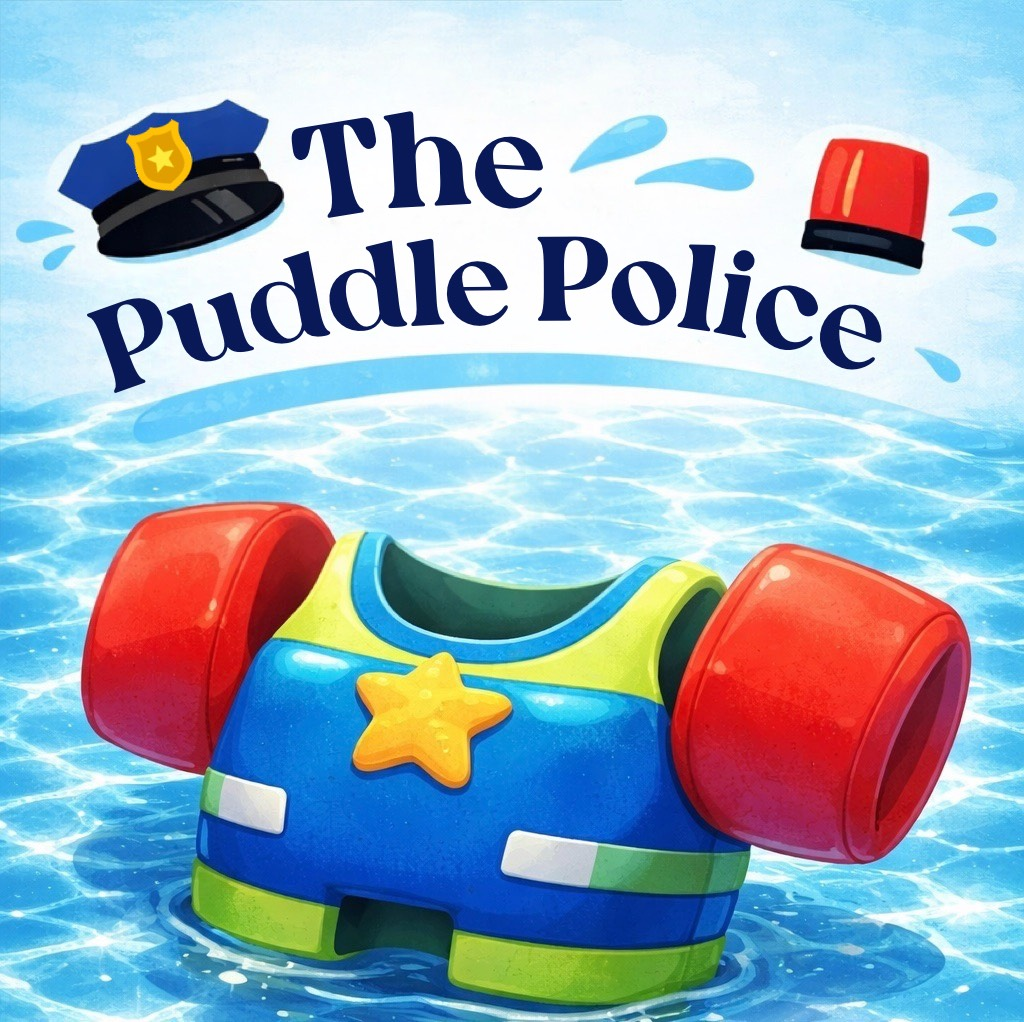
Puddle Jumpers are everywhere, bright, colorful, and often marketed as the “safe” choice for kids in the water. They make children feel confident and give parents peace of mind. But here’s what the
Puddle Police want families to know:
Puddle Jumpers can actually interfere with the development of real water safety skills. 🚓💦
⚠️ The Problem: They Teach the “Drowning Position”
Puddle Jumpers hold children in a vertical, head-up position. While this may look safe, it’s actually the same body position a person takes when they’re struggling to stay afloat.
Over time, kids learn that:
- Being upright = safe
- The water will hold them up
- Kicking and pulling aren’t necessary
When the Puddle Jumper comes off, their bodies don’t automatically know how to float, roll, or move independently because they’ve practiced relying on flotation instead of skills.
🧠 Muscle Memory, Arm Movement & False Confidence
Children learn through repetition, and what they practice in the water becomes muscle memory.
Puddle Jumpers don’t just affect body position; they also prevent kids from using their arms correctly. Because flotation is attached directly to the arms, children are physically unable to practice proper arm pulls or strong “scoops” through the water.
Instead of reaching forward and pulling water behind them, kids often:
- Hold their arms stiff and wide
- Paddle outward or splash on the surface
- Rely on flotation rather than movement
Effective swimming requires arms to pull through the water, not float on top of it. When children can’t practice meaningful arm movements, those skills don’t magically appear once the device is removed. This can also create a false sense of confidence for both kids and adults. Puddle Jumpers are not lifesaving devices and should never replace close, active supervision.
💧How Puddle Jumpers Can Interfere With Swim Lesson Progress
Even when children are making great progress during swim lessons, continued use of Puddle Jumpers outside of lessons can unintentionally slow or reverse that progress.
When kids switch back and forth between:
- practicing real swim skills during lessons, and
- relying on flotation devices during family swim time
their bodies receive mixed messages.
Instead of reinforcing skills like floating independently, scooping with the arms, and moving calmly through the water, Puddle Jumpers reintroduce upright posture, restricted arm use, and dependence on flotation. Over time, this inconsistency can cause children to regress, hesitate, or struggle to apply what they’ve already learned. Consistency matters. The more opportunities children have to practice without flotation, the more confidently those skills stick.
🛟If Flotation Is Needed, What Should Be Used?
There are situations such as boating, open water, or busy pool environments, where flotation may be necessary.
In those cases, the only truly recommended option is a properly fitted U.S. Coast Guard–approved life jacket. These are designed, tested, and regulated for real safety scenarios. For swim practice, some tools like swim backpacks, offer light, adjustable flotation while still allowing children to stay in a horizontal swimming position. This supports proper kicking and arm scoops without locking kids into an upright posture. For a list of some of our recommended pool gear, click here.
🏊♀️ The Safer Path: Skills Over Straps
True water confidence comes from understanding how the body works in the water.
We encourage:
✅ Independent floating (especially on the back)
✅ Breath control and calm recovery
✅ Proper arm scoops and effective kicking in a horizontal body position
✅ Consistent instruction with close supervision
💙 Confidence Built Through Learning (Not Judgment)
Families choose flotation devices because they care deeply about their child’s safety, and that matters. Puddle Jumpers are widely available and commonly used, so it’s understandable why many parents turn to them. Our goal isn’t to criticize past choices, but to share information that empowers families moving forward. Water safety is a learning process, and small changes, like focusing on skill-building and consistency, can make a big difference over time.
💦 Curious About Swim Lessons, But Not Sure Where to Start?
If your child relies on flotation, or if swim lessons feel a little intimidating, you’re not alone. Many families come to Swim Lessons with Mary feeling unsure, hesitant, or simply curious about what their child can do without flotation.
Our private, 30-minute lessons are designed to:
- Go at your child’s pace
- Build confidence gently and safely
- Focus on floating, breathing, and proper movement
- Create calm, positive experiences in the water
There’s no pressure, no rushing, and no expectations, just supportive instruction that meets your child where they are.
If you’re starting to wonder whether your child is ready to build real swim skills, we’d love to help you explore that next step.