
Holiday Travel & Water Safety: What Parents Should Know Before Their Next Trip
The holiday season is right around the corner, and for many families, that means traveling, visiting relatives, and spending time somewhere a little different from home. Whether you're checking into a hotel with an indoor pool, visiting family with a backyard swimming pool, or enjoying a vacation somewhere warm, it's important to remember that water safety doesn't take a holiday.
One of the biggest things parents should keep in mind when traveling is that unfamiliar environments can bring unfamiliar risks. A child who is comfortable around the pool at home may not know the layout of a hotel pool, recognize where the deep end begins, or understand the rules of a new swimming environment.
According to WaterWiseKids' guide to vacation water safety, unfamiliar surroundings, disrupted routines, excitement, and fatigue can all make water safety more challenging while traveling. Before your next family trip, here are some important reminders to help keep everyone safer around the water.
1. Prepare for Water Safety Before You Travel
Water safety planning should start before you even leave home. If your vacation includes swimming, boating, visiting a beach, or staying somewhere with a pool, take a little time to research the environment and understand what safety precautions you'll need.
Consider looking into:
- Whether your hotel or resort pool has a lifeguard on duty.
- Whether your rental property has a properly secured pool area.
- What swimming conditions and potential hazards to expect at your destination.
- Whether there are lifeguarded beaches or designated swimming areas nearby.
- What safety equipment is available at the property.
It's also a good idea to pack properly fitted, U.S. Coast Guard-approved life jackets for children who will be participating in boating or other open-water activities. Don't assume that rental equipment will always be available in the correct size.
The CDC's drowning prevention recommendations emphasize that swimming lessons, life jackets, barriers, and active supervision all work together to help prevent drowning. No single precaution is enough on its own.
2. Never Assume Someone Else Is Watching
Holiday gatherings can be busy. Between preparing meals, catching up with family, and keeping up with the kids, it's easy for supervision to become divided.
When children are in or around water, always designate one responsible adult as the official Water Watcher. This person should have their attention focused entirely on supervising the children, without distractions like phones, conversations, or other activities.
A few helpful reminders:
- Take turns assigning an adult to supervise the water.
- Make sure everyone knows who is responsible for watching the children.
- Keep young or inexperienced swimmers within arm's reach.
- Never assume a lifeguard or another family member is automatically watching your child.
For larger gatherings, consider rotating the Water Watcher responsibility every 15–20 minutes so the supervising adult can stay focused.
The American Academy of Pediatrics' water safety recommendations explain the importance of close, constant supervision and assigning a dedicated Water Watcher.
Drowning can happen quickly and quietly. Having a designated adult watching the water at all times helps eliminate confusion about who is responsible for supervision.
3. Get Familiar With Unfamiliar Pools
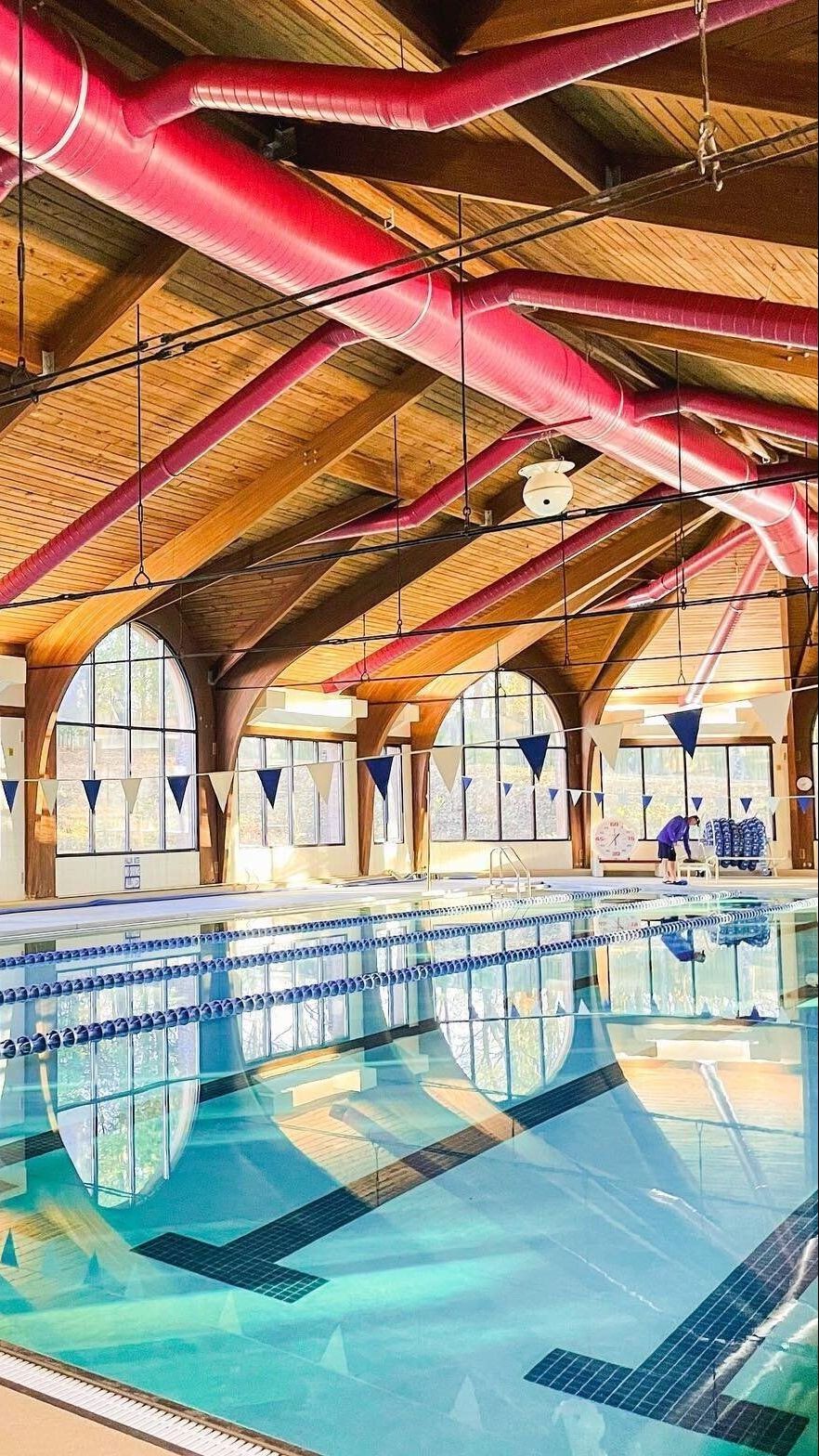
Not all swimming pools are the same. A hotel pool, resort pool, or relative's backyard pool may have different layouts, depths, entrances, and safety features than the pool your child is used to. Before allowing children near the water, take a few minutes to familiarize yourself with the area.
Look for:
- Posted pool rules and depth markers.
- Where the shallow and deep ends begin.
- Whether the pool has a lifeguard on duty.
- The location of rescue equipment, such as a reaching pole or life ring.
- Gates, barriers, and doors that help prevent unsupervised access.
At hotel pools, don't assume a lifeguard is present just because the facility is large or busy. Ask hotel staff about lifeguard availability and always plan to supervise your own children.
If you're staying somewhere with a pool, it's also important to make sure children cannot access the water without an adult. Keep doors secured, check that gates latch properly, and put away pool toys when swimming is finished. You can find additional guidance in WaterWiseKids' Hotel and Motel Pool Safety Checklist. Remember, even a child who has experience swimming may need time to adjust to a new environment.
4. Don't Overlook Pools at Friends' and Family Members' Homes
Some of the most important water safety conversations happen when visiting someone else's home. You may already have safety measures in place at your own house, but that doesn't mean every home you visit has the same precautions.
If you're visiting family or friends with a pool, take a moment to check the surroundings.
- Are there barriers or fences separating the pool from the house and yard?
- Do gates close and latch securely?
- Can children access the pool area through an unlocked door?
- Are pool covers and safety features being used properly?
Make sure children understand that they cannot enter the pool area without an adult's permission. After swimming, ensure that doors and gates leading to the pool are secured.
It's also helpful to remind family members that pool toys should be put away after swimming. Toys left floating in the water can attract a child's attention and encourage them to approach the pool unsupervised. The CDC's pool safety recommendations explain why four-sided pool fencing, self-closing and self-latching gates, and removing toys from the pool area are important layers of protection.
5. Be Extra Cautious Around Hotel Pools and Hot Tubs
Hotel pools can be especially exciting for children, particularly when they're on vacation. However, it's important not to let the excitement of a trip distract from basic safety precautions. Indoor pools, outdoor pools, and hot tubs all come with their own considerations.
For hotel pools:
- Follow all posted rules and age restrictions.
- Check that the water is clear and the pool area appears well maintained.
- Make sure children understand where they're allowed to swim.
- Keep young swimmers within arm's reach, even when a lifeguard is present.
Hot tubs deserve special attention, too. Their warm temperatures and deeper seating areas can create additional risks for young children. The CDC recommends that children under five should not use hot tubs. It's also important to remember that a hot tub is not a safer alternative to a swimming pool. Young children should be kept away from hot tubs, and access should be secured when they're not in use.
For additional information, the CDC's Hot Tub Safety Guide covers age recommendations and other precautions families should know.
6. Understand Beach and Ocean Safety
If your holiday plans include a beach getaway, remember that swimming in the ocean is very different from swimming in a pool.
Waves, currents, changing water conditions, and unfamiliar shorelines can create hazards even for experienced swimmers.
Before allowing children into the ocean:
- Check local beach conditions and weather forecasts.
- Look for posted warning flags and understand what they mean.
- Swim near a lifeguard whenever possible.
- Follow all posted signs and lifeguard instructions.
- Never allow children to swim alone.
One particularly important hazard to understand is a rip current. Rip currents are powerful channels of water that flow away from shore and can quickly pull swimmers away from the beach. If someone is caught in a rip current, they should avoid swimming directly against it. Instead, they should try to swim parallel to the shoreline to escape the current, then make their way back toward shore. If they cannot escape, they should float or tread water and signal for help.
The National Weather Service's Rip Current Safety Guide offers helpful information about recognizing dangerous conditions and responding to rip currents. Even strong swimmers can find themselves in trouble in open water. A child's ability to swim independently in a pool does not automatically prepare them for the unpredictable conditions of the ocean.
7. Remember That Swim Skills Don't Replace Supervision
One of the biggest misconceptions surrounding swim lessons is that once a child learns how to swim, they no longer need as much supervision. This simply isn't true.
Learning to swim is an important part of building water safety skills, but no child is ever completely drown-proof. Even experienced swimmers can encounter unexpected situations, become tired, or struggle in unfamiliar water. A child's swimming ability should never determine whether or not an adult supervises them.
Continue practicing important skills like:
- Entering and exiting the water safely.
- Rolling onto the back to float and rest.
- Controlling their breathing.
- Recognizing when they need help.
- Following water safety rules and listening to adults.
For families planning to spend time around water during the holidays, maintaining consistent swim lessons can also help children continue developing their skills throughout the year. As the CDC explains in its drowning prevention guidance, formal swimming lessons can reduce drowning risk, but children who have taken lessons still need close and constant supervision.
8. Talk About Water Safety Before You Travel
One of the easiest ways to prepare children for an unfamiliar swimming environment is to talk about expectations before you arrive.
Children should understand that different pools and swimming environments may have different rules, and they should never enter the water without permission and adult supervision.
Before your trip, remind your children:
- Always ask an adult before going near or entering the water.
- Never swim alone.
- Never run around the pool.
- Stay within designated swimming areas.
- Listen to lifeguards and supervising adults.
- Never assume they can swim in a new environment just because they've swum somewhere else.
It's also helpful for parents and other supervising adults to know where emergency equipment is located and how to respond if something goes wrong. Learning CPR and basic water emergency response can make an important difference. These conversations help reinforce safe habits and give children a better understanding of what is expected of them.
Make Water Safety Part of Your Holiday Plans
The holidays should be filled with fun, family, and memories worth making. With a little preparation and some extra awareness, families can enjoy their time together while making water safety a priority.
Whether you're visiting a hotel pool, spending Thanksgiving with relatives, heading to the beach, or traveling somewhere warm for Christmas, remember that active supervision, appropriate safety measures, and consistent swimming skills all play an important role in keeping children safer.
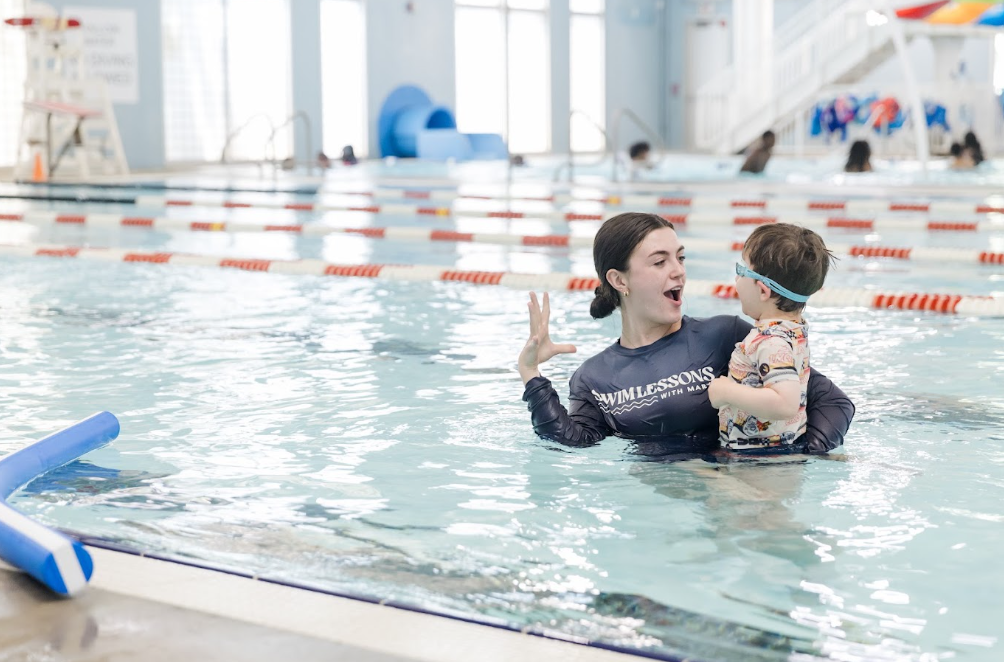
At Swim Lessons with Mary, we believe water safety is a year-round commitment, not just something to think about during the summer. Our goal is to help swimmers build skills, confidence, and a strong foundation for safer experiences in and around the water.
Planning to keep your child's swim skills growing this season? Explore our flexible and recurring swim lesson options at Swim Lessons with Mary and find the approach that works best for your family.
Swim lessons are an important layer of water safety, but they never replace constant adult supervision, appropriate barriers, properly fitted life jackets when needed, or other water safety precautions.